Why Choose Electric SUV Vehicles for Global Buyers? This question reaches beyond showroom styling and acceleration. It concerns daily travel, energy access, family safety, and long-term ownership. Electric SUVs combine a raised driving position with quiet operation and instant torque. In city traffic, that can make short journeys calmer. On rural roads, generous ground clearance can provide useful confidence. Mary Barra, General Motors Chair and CEO, has stated, “The future is all-electric.” Her view reflects a major shift in automotive engineering and manufacturing.
Still, the choice is not automatically right for everyone. Charging access matters. A home wall charger may turn overnight parking into a full battery routine. Public charging can be less predictable, especially during holidays, extreme cold, or remote travel. Buyers should compare real-world range, charging speed, battery warranty, repair support, and local electricity prices. A large battery also requires significant materials and manufacturing energy. Its environmental benefit depends partly on how the local grid produces electricity. That detail deserves honesty.
Electric Suv Vehicles can reduce tailpipe emissions and operating costs, but results vary by region and driving habits. Heavy traffic may improve efficiency through regenerative braking. High-speed highways can reduce range quickly. Tires, insurance, software support, and replacement parts also affect ownership. These practical details are easy to overlook. Buyers should test the seating position, inspect luggage space, and plan one familiar charging route before committing. The technology is advancing, yet it is not flawless. A careful decision balances excitement with evidence, personal needs, and the limits of today’s charging infrastructure.
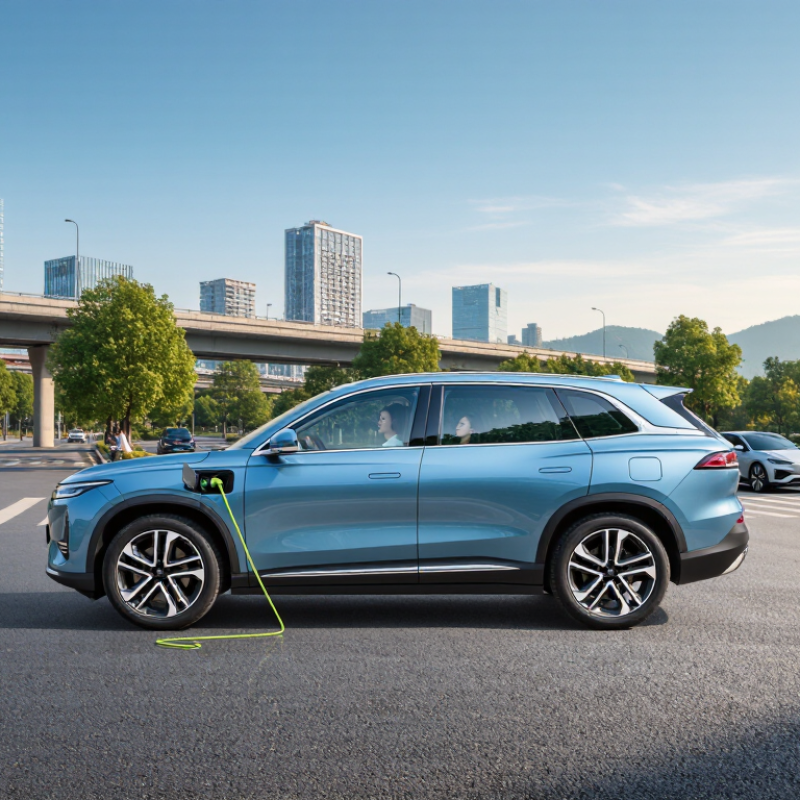
An electric SUV is more than a tall vehicle with a battery. It combines electric propulsion with SUV characteristics, including raised ground clearance, flexible cabin space, and a commanding driving position. Most models place the battery beneath the floor, lowering the center of gravity and improving stability during cornering. Instant electric torque also helps when carrying passengers or climbing steep roads.
The label is not perfectly consistent across markets. Some vehicles look like SUVs but offer limited ground clearance or modest cargo space. Buyers should check measurements, not rely on styling. The International Energy Agency reported nearly 14 million electric car sales worldwide in 2023, representing about 18% of total car sales. This growth shows stronger acceptance, but vehicle definitions remain uneven.
A practical electric SUV should balance range, charging speed, passenger comfort, and energy use. The U.S. Environmental Protection Agency explains that cold weather, high speeds, heavy loads, and heating can reduce real-world range. That matters on a winter highway or a rural route with few chargers. Battery size alone is not enough. A larger pack may improve range, yet it can increase weight, tire wear, and energy consumption. My view is simple: an electric SUV earns its name through useful capability, not height or marketing language.
| Why Choose Electric SUV Vehicles for Global Buyers? – What Defines an Electric SUV? | |||
|---|---|---|---|
| Data Dimension | Typical Electric SUV Characteristics | Why It Matters to Global Buyers | Important Considerations |
| Powertrain | A battery-electric SUV uses one or more electric motors powered by a rechargeable high-voltage battery. It does not use an internal-combustion engine. | Provides quiet operation, immediate torque, and a simpler drivetrain with fewer moving engine components. | Vehicle performance depends on motor output, battery state of charge, temperature, load, and road conditions. |
| Vehicle Definition | Combines SUV attributes—raised seating position, increased ground clearance, practical cargo access, and versatile passenger space—with all-electric propulsion. | Offers a balance of visibility, family usability, road presence, and zero tailpipe emissions. | Body size, seating capacity, cargo volume, and off-road capability vary considerably by vehicle class. |
| Battery Capacity | Many compact-to-large electric SUVs use batteries of approximately 50–120 kWh, although smaller and larger configurations also exist. | A larger battery can support longer driving distances and more energy reserves for demanding journeys. | Larger batteries generally add cost and weight; usable capacity is lower than the stated gross capacity. |
| Driving Range | A broad market range is approximately 250–550 km per charge under standardized test cycles, depending on vehicle size, battery, wheels, and test method. | Supports daily commuting, family travel, and many intercity trips without routine refueling. | Real-world range can decrease with high speed, cold weather, heavy payloads, hills, roof loads, or extensive heating and air conditioning. |
| Charging at Home | AC home charging commonly uses approximately 3.6–11 kW, with higher-power installations available where local electrical systems permit. | Overnight charging can reduce dependence on public charging stations and may allow drivers to start each day with a high battery level. | Installation requirements, household voltage, electricity tariffs, parking access, and local regulations differ by country. |
| Public Fast Charging | DC fast charging can commonly restore approximately 10–80% of battery capacity in about 20–40 minutes on compatible vehicles and chargers. | Makes longer journeys more practical by reducing charging stops compared with low-power AC charging. | Actual time depends on charger output, battery temperature, charging curve, starting state of charge, and station availability. |
| Energy Efficiency | Electric drivetrains generally convert a higher share of stored energy into vehicle movement than combustion powertrains. | Lower energy consumption can support reduced running costs, especially where electricity prices are favorable. | Total operating cost depends on electricity prices, charging losses, maintenance, insurance, taxes, and annual mileage. |
| Emissions | Produces no tailpipe carbon dioxide, nitrogen oxides, or exhaust emissions during driving. | Can improve local air quality and reduce urban exhaust pollution, particularly in densely populated areas. | Lifecycle emissions depend on electricity generation, manufacturing, battery production, vehicle efficiency, and recycling practices. |
| Regenerative Braking | The electric motor can act as a generator during deceleration and return part of the kinetic energy to the battery. | Can improve efficiency in urban traffic and reduce use of conventional friction brakes. | Recovered energy varies with speed, battery charge level, temperature, road gradient, and the selected driving mode. |
| Space Utilization | The battery is often positioned low in the floor, while the absence of a large engine may create additional storage space in some designs. | A low battery position can support a lower center of gravity, while flexible storage benefits families and commercial users. | Battery packaging can raise the floor and may affect third-row space, underfloor storage, or maximum cargo height. |
| Performance | Electric motors deliver maximum torque from very low speed, enabling responsive acceleration; dual-motor systems can provide electric all-wheel drive. | Useful for merging, overtaking, steep roads, towing, and driving on surfaces with changing traction. | Acceleration and towing performance can increase energy use and reduce range, particularly at high speeds or with heavy loads. |
| Maintenance | Usually requires no engine oil changes, spark-plug replacement, or exhaust-system servicing; tires, brakes, suspension, cooling systems, and software still require attention. | Fewer routine powertrain services can simplify ownership and potentially reduce scheduled maintenance needs. | Battery warranty terms, technician availability, parts supply, and repair costs vary between markets. |
| Safety Architecture | High-voltage batteries are protected by structural enclosures and managed by battery-monitoring and thermal-control systems. | A low-mounted battery can contribute to a low center of gravity and stable handling when the vehicle is properly engineered. | Buyers should verify independent crash-test results, local safety certification, charging protection, and emergency-response guidance. |
| Climate and Weather Suitability | Cold temperatures can temporarily reduce battery power, charging speed, and driving range; hot conditions can increase cooling demand. | Modern thermal-management systems help maintain performance across a wide range of operating conditions. | Buyers in cold or hot regions should prioritize pre-conditioning, heat-pump availability, battery thermal control, and reliable charging access. |
| Best Fit for Global Buyers | Especially suitable for drivers with predictable daily travel, access to home or workplace charging, urban use, and interest in lower tailpipe emissions. | Combines SUV practicality with electric efficiency, quietness, and potentially lower energy and maintenance costs. | Before purchase, compare local charging coverage, electricity rates, climate, driving distance, payload needs, service support, and total ownership cost. |
Electric SUVs use a large battery pack instead of a fuel tank and combustion engine. Electricity flows through an inverter to one or more motors. The motors turn the wheels directly, without a conventional multi-speed gearbox. Regenerative braking reverses this process. During deceleration, the motor recovers part of the vehicle’s kinetic energy and sends it back to the battery. The U.S. Department of Energy reports that electric drivetrains convert over 85% of electrical energy into movement, while gasoline engines typically convert only 20–30%.
The driving feel is different. Torque arrives immediately, so a heavy SUV can move smoothly from a traffic light. There is no engine vibration or gear-change pause. A quiet cabin can also make tire noise more noticeable. On a cold morning, heating the cabin may reduce usable range. Large wheels and a tall body increase energy demand, too. These details are easy to overlook.
Charging replaces refueling. A home charger may suit overnight routines, while rapid charging supports longer trips. Charging speed depends on battery temperature, charger capacity, and the vehicle’s charging system. The International Energy Agency’s Global EV Outlook 2025 reports that global electric car sales exceeded 17 million in 2024, passing one-fifth of new-car sales. The same report highlights expanding public charging networks, but access remains uneven between regions. An electric SUV is not automatically cleaner in every situation. Battery production and electricity sources matter, as the International Council on Clean Transportation notes in its lifecycle assessments. The comparison is not perfectly simple. Range figures are laboratory estimates, not promises for every road, season, or driving style.
Electric SUVs convert a much larger share of stored energy into movement, while fuel-powered SUVs lose most energy as heat through the engine, exhaust, and cooling system.
Values are representative typical estimates for passenger SUVs: electric drivetrains are commonly about 85–90% efficient, while internal-combustion drivetrains are commonly about 20–30% efficient. Actual results vary with vehicle design, speed, temperature, terrain, and driving style.
Electric SUVs are gaining attention because they combine electric driving with practical space for families, workers, and long-distance travelers. Their higher seating position can improve visibility in crowded city streets. Many drivers also value the quiet cabin during daily commuting.
Benefits differ across global markets. In dense European cities, an electric SUV can suit short trips, restricted urban areas, and home charging. In North America, larger cargo space helps with school runs, shopping, and highway travel. In parts of Asia, compact electric SUVs may fit narrow roads while reducing local exhaust pollution. In warmer regions, efficient cooling systems matter. In colder climates, battery range can fall, so drivers should check winter performance carefully.
Running costs may be lower because electric motors use energy efficiently and require fewer routine mechanical services. However, purchase prices, electricity rates, charging access, and repair networks vary widely. A driver without reliable home charging may spend more time planning trips. Public chargers can also differ in speed and availability. The picture is not perfect.
Battery warranties and certified service records deserve close attention, especially in developing resale markets. Buyers should compare real-world range, charging time, ground clearance, and local support rather than trusting one test figure. An electric SUV can be an excellent regional choice, but it is not automatically practical for every household. Needs change. Infrastructure changes too.
Global buyers often choose electric SUVs for quiet travel, high seating, and lower local emissions. Yet selection should begin with daily routes, not impressive acceleration figures. Measure your weekday distance, parking access, and charging options at home or work. A 60-kilometre commute feels easy with dependable charging, but remote travel demands planning. Battery range changes with cold weather, heavy loads, hills, and highway speed. Independent road tests and official efficiency data offer useful evidence, though neither predicts every driver’s results. Cabin space also matters when child seats, luggage, or rough roads are regular realities.
Tips: Compare usable battery capacity, warranty terms, charging speed, and service coverage in your region. Ask for written answers. Check whether public chargers accept local payment methods and support your travel corridors. A home inspection can reveal wiring limits before installation costs appear. Do not judge ownership cost from fuel savings alone; include electricity prices, insurance, tires, maintenance, financing, and battery degradation. Software updates may improve a vehicle, but they can also introduce unfamiliar controls. That deserves attention.
I would not pretend every electric SUV suits every market. Apartment residents may face queues, restricted parking, or unreliable chargers. Rural buyers may value repair access more than a large touchscreen. Before purchasing, borrow or rent a similar vehicle for several days. Track energy use in ordinary traffic, not just a short showroom drive. Keep a small margin in winter. It prevents avoidable stress. I still find the less exciting choice can be the more dependable one.
Electric SUVs appeal to global buyers because they combine cabin space, quieter driving, and lower local emissions. Yet ownership depends on more than vehicle size. The International Energy Agency reported nearly 14 million electric cars sold worldwide in 2023. Electric models reached about 18% of new car sales. That growth is significant, but uneven. Charging access remains a daily concern.
The IEA recorded more than four million public charging points globally at the end of 2023. Public charging capacity still varies sharply between cities and rural regions. A driver may find several fast chargers near a capital, then face a long gap on a highway.
Cold weather can reduce practical range. Heavy luggage and steep roads can do the same. These details are often missing from simple sales forecasts. They matter.
Battery costs are improving, although progress is not perfectly steady. BloombergNEF reported an average lithium-ion battery pack price of 115 US dollars per kilowatt-hour in 2024, down 20% from the previous year. Lower costs could support more affordable electric SUVs and stronger demand in emerging markets.
However, grid upgrades, mineral supply, repair skills, and transparent battery warranties remain essential.
My own view is cautious: market expansion looks likely, but charging reliability may develop slower than consumer expectations. Infrastructure must become boringly dependable. That is still unfinished.