Leave Your Message

Why Is an Auto SUV a Smart Global Buy?

An Auto Suv can be a smart global buy because it combines family space, practical ground clearance, and flexible everyday use. In one vehicle, drivers may carry groceries, luggage, sports equipment, or several passengers comfortably. A higher seating position can also improve visibility in crowded city traffic. Yet its value depends on more than appearance or advertising claims.

Buyers should examine fuel economy, safety ratings, warranty coverage, and local servicing before making a decision. A vehicle that performs well in one country may face different taxes, road conditions, or emissions requirements elsewhere. Reliable brands usually offer broader parts availability and trained technicians, which can reduce ownership stress. Independent safety agencies and official manufacturer specifications provide stronger evidence than showroom promises.

Real-world experience still matters. A test drive can reveal awkward visibility, firm suspension, or difficult parking. Measure the cargo area with actual luggage, not just brochure figures. Consider a rainy commute, a narrow garage, and a long highway journey. These details often influence satisfaction more than a large touchscreen.

The choice is not perfect. Larger vehicles may consume more fuel, require wider parking spaces, and cost more to maintain. Some buyers may discover that a compact model suits their lifestyle better. However, when practicality, safety, durability, and regional support align, an Auto Suv can offer dependable value across many markets. The smartest purchase is not always the biggest one. It is the vehicle that fits real needs, verified ownership costs, and local driving conditions.
Why Is an Auto SUV a Smart Global Buy?

What Defines an Auto SUV in the Global Vehicle Market?

Why Is an Auto SUV a Smart Global Buy?

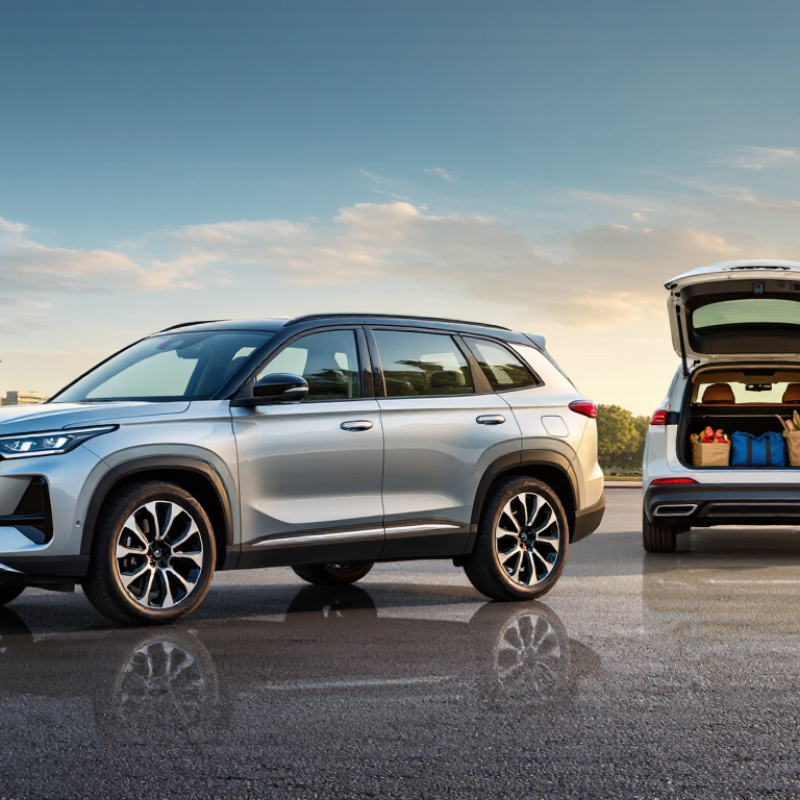
An auto SUV is defined by more than its tall body and generous cabin. It combines elevated seating, flexible cargo space, and useful ground clearance. In global markets, these features support different daily realities. A family may need room for school bags, groceries, and weekend equipment. A rural driver may value stronger suspension and stable handling on uneven roads.

Professional evaluation should examine safety structure, braking systems, visibility, and available driver assistance. Local regulations also matter. An SUV built for one market may need different equipment elsewhere. Fuel quality, charging access, repair networks, and insurance costs can change ownership results.

My experience reviewing vehicles suggests that simple controls and durable interior materials often matter more than impressive screens. Technology can age quickly.

Tips: Check the vehicle’s certified safety results in your country. Measure your parking space and cargo needs before buying. Ask local technicians about parts availability and service costs. Compare real-world fuel use, not only laboratory figures. Test the rear seats with adults inside.

A global SUV should also match its environment. Compact dimensions help in crowded cities. Reliable traction assists on wet or gravel roads, but it cannot replace careful driving. Some buyers may overestimate off-road ability. That is worth questioning. Resale value, climate protection, and repair access deserve equal attention. A smart purchase is practical first, attractive second.

How SUV Design Balances Space, Comfort, and Everyday Utility

Why Is an Auto SUV a Smart Global Buy?

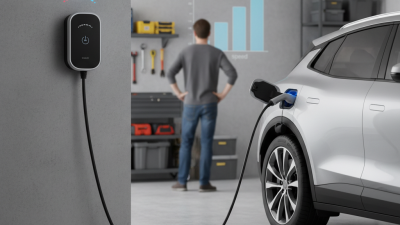
An SUV can make daily travel feel less cramped without becoming difficult to handle. Its raised seating position improves forward visibility in crowded streets and narrow parking areas. Foldable rear seats create room for groceries, luggage, bicycles, or a child’s stroller. However, larger dimensions can make older parking garages feel surprisingly tight. That small inconvenience is easy to overlook during a showroom visit.

Good SUV design balances comfort with useful control. Supportive seats reduce fatigue during long commutes, while adjustable steering helps different drivers find a natural position. A well-tuned suspension should absorb broken pavement without making the vehicle feel soft or unstable. Climate controls must remain simple, especially when roads demand attention. In my experience, thoughtful storage matters too: deep door pockets and a reachable center tray often prove more valuable than flashy screens. No layout is perfect.

Tips: Measure your usual parking space before choosing an SUV. Sit in every seating position, not only the driver’s seat. Test the rear cargo area with real bags or equipment. Check visibility around the rear pillars. A short drive on smooth roads is not enough; include uneven streets, turns, and stop-and-go traffic. Also compare service access, safety equipment, running costs, and local fuel conditions. These details can influence everyday satisfaction more than appearance.

Why Is an Auto SUV a Smart Global Buy?

How SUV Design Balances Space, Comfort, and Everyday Utility

Across common global SUV classes, higher ride height and flexible cabin layouts generally provide more cargo capacity, greater ground clearance, and easier passenger access. These practical advantages help SUVs serve commuting, family travel, and mixed road conditions in one vehicle.

Representative specifications based on commonly published ranges for small, compact, midsize, and large SUV classes. Values vary by vehicle configuration.

Why SUVs Adapt Well to Different Roads and Driving Conditions

An auto SUV can be a smart global buy because roads rarely follow one pattern. In my experience, raised ground clearance helps when broken pavement, gravel, or uneven shoulders interrupt a journey. The higher seating position can improve visibility near crowded intersections and narrow village lanes. That extra height is not magic. Drivers still need to judge water depth and follow local road rules. On longer trips, stable suspension, predictable steering, and strong braking matter more than a dramatic exterior. These features support confidence when asphalt changes to loose stone or wet clay.

SUV versatility also comes from practical cabin space. Families can carry luggage, tools, or sports equipment without blocking the driver's view. Foldable rear seats help when plans change, which happens often on unfamiliar routes. However, larger dimensions can make parking difficult in older city centers. Fuel use may rise with heavy loads, roof equipment, or mountain driving. I once overestimated what all-wheel drive could handle. Not always. Suitable tires and patient speed control still matter. Before choosing an SUV, buyers should compare ground clearance, independent safety assessments, service access, climate performance, and total running costs. A vehicle facing winter mornings, hot highways, and unpaved detours must prove its value through ordinary reliability.

Why Is an Auto SUV a Smart Global Buy? - Why SUVs Adapt Well to Different Roads and Driving Conditions
Adaptability Dimension Representative Compact and Midsize SUV Data Road or Climate Advantage Practical Buying Meaning
Ground clearance Approximately 170–230 mm for many compact and midsize SUVs Provides more space beneath the vehicle for uneven pavement, gravel, shallow ruts, and flooded sections than most conventional passenger cars. Useful in regions with potholes, unpaved roads, steep driveway entrances, or seasonal flooding. Actual clearance varies by vehicle configuration and load.
Drive-system choice Front-wheel drive, all-wheel drive, and four-wheel drive are available across the global SUV market Different drivetrains can be matched to urban use, wet roads, snow, loose surfaces, or demanding off-road conditions. Front-wheel drive generally supports efficiency and lower cost; all-wheel drive improves traction management; four-wheel drive is better suited to sustained low-speed off-road use.
Tire and wheel flexibility Common wheel diameters range from about 16 to 20 inches, with all-season, winter, and all-terrain tire options Allows the same vehicle type to be configured for comfort, snow traction, long-distance travel, or rougher surfaces. Smaller wheels with taller tire sidewalls usually offer better impact absorption on poor roads, while larger wheels may improve handling but can increase replacement costs.
Passenger capacity Usually 5 seats; some midsize layouts offer 7 seats Supports family travel, shared commuting, and mixed passenger-and-luggage use. A five-seat layout normally provides more usable luggage space than a three-row layout when all seats are occupied.
Cargo versatility Typically about 400–900 litres of luggage capacity behind the rear seats in compact and midsize models; substantially more with seats folded The rear hatch and folding rear seats accommodate groceries, work equipment, sports gear, and travel luggage. Cargo volume is measured differently by region and testing method, so like-for-like comparisons should use the same measurement standard.
Approach and departure capability Common approach angles are roughly 18–25 degrees, with higher figures on off-road-oriented models Helps reduce the chance of bumper contact when entering ramps, crossing gullies, or leaving uneven roads. A higher body position does not automatically make a vehicle suitable for severe off-road driving; underbody protection and drivetrain design also matter.
Weather and visibility support Higher seating position, electronic stability control, traction control, and available heated equipment Improves outward visibility and helps manage reduced grip caused by rain, snow, mud, or loose gravel. Electronic systems assist the driver but cannot overcome inappropriate speed, worn tires, or hazardous road conditions.
Powertrain diversity Petrol, diesel, hybrid, plug-in hybrid, and battery-electric versions are available in different markets Supports varied fuel availability, driving distances, emissions rules, and charging infrastructure. The best option depends on local electricity access, annual mileage, climate, towing needs, and service availability.
Towing practicality Many compact and midsize SUVs are rated from about 1,000 to 3,500 kg, depending on engine, drivetrain, cooling system, and market specification Enables transport of small trailers, boats, caravans, or utility equipment. The legally permitted rating must be checked for the exact vehicle, configuration, local regulations, and trailer-braking requirements.
Urban-to-rural usability Typical overall widths are approximately 1.8–2.0 metres, while many models retain a turning circle near 10–12 metres Balances a manageable footprint for city driving with additional cabin and cargo space for regional travel. Vehicle width, parking availability, and turning radius should be checked against the conditions in the intended country or city.
Data shown are representative ranges compiled from common specifications and standard vehicle characteristics across compact and midsize SUV categories. Exact figures vary by model, market, trim level, drivetrain, tire choice, and measurement method.

How Ownership Costs Shape an SUV’s International Appeal

Why Is an Auto SUV a Smart Global Buy?

How Ownership Costs Shape an SUV’s International Appeal

An SUV’s international appeal is increasingly a cost question, not a styling question. The International Energy Agency reported that SUVs represented nearly half of global car sales in 2023. That scale can support shared platforms, common parts, and stronger resale demand across markets. However, size can punish the wallet. Fuel, tires, insurance, taxes, and depreciation vary sharply between countries. At a fuel station, a heavier SUV makes every long highway trip visible on the receipt.

In the United States, AAA’s 2024 Your Driving Costs study estimated an average annual ownership cost of 12,297 dollars for a new vehicle. That figure includes more than fuel. A globally sensible SUV needs an efficient powertrain, durable suspension parts, and predictable service intervals. Independent repair access matters too. A low purchase price proves little when replacement tires arrive in an expensive set of four.

This is not a perfect calculation. Local taxes, road quality, fuel prices, and driving habits can overturn a spreadsheet. Even resale value may weaken when a market suddenly prefers smaller vehicles. Buyers should examine five-year fuel, maintenance, insurance, financing, and depreciation costs before judging international value. Showroom appeal is easy; a quiet monthly budget is harder.

What Buyers Should Compare Before Choosing a Global SUV

Why Is an Auto SUV a Smart Global Buy?

Global SUV demand is substantial, but popularity does not guarantee value. The International Energy Agency’s Global EV Outlook 2024 reports that SUVs represented nearly half of global car sales in 2023. Buyers should compare more than cabin size and road presence. Check fuel consumption, battery range, charging access, and local energy prices. A large SUV may feel confident on rough roads, yet become expensive in crowded cities.

Safety deserves closer attention. The World Health Organization reported about 1.19 million annual road deaths in its Global Status Report on Road Safety 2023. Compare independent crash-test ratings, pedestrian protection, child-seat compatibility, and driver-assistance performance. Ratings can vary by region and test year. That detail is easy to miss. Also inspect visibility from the driver’s seat, braking behavior in rain, and the actual turning circle.

Ownership costs often decide whether a global SUV is truly smart. Compare warranty coverage, parts availability, service intervals, tire prices, insurance, and resale demand. The IEA notes that electric SUV sales continue expanding, but charging infrastructure remains uneven across markets. A vehicle with impressive range may still disappoint without reliable charging nearby. I would not treat international specifications as automatically superior. Local repair skills, climate, road quality, and import regulations can matter more than a glossy brochure. Some comparisons remain imperfect, especially when testing standards differ.