Buying a large electric SUV is rarely as simple as choosing the highest specification. The Rox 01 6 Seats combines extended-range driving, three-row seating, and a rugged exterior. However, its real value depends on how your family travels every week. A showroom visit may reveal impressive screens and generous space. It may not reveal charging habits, third-row comfort, or luggage limitations.
Tu Le, an automotive industry analyst at Sino Auto Insights, once offered a useful buying principle: “Consumers should look beyond the headline specifications and understand how a vehicle fits their daily lives.” That advice matters here. A six-seat cabin can feel practical during school runs, yet cramped when six passengers carry weekend bags. The rear seats also deserve careful inspection. Sit there personally. Check knee room, window visibility, USB access, and air circulation.
This introduction guides readers through seven practical checks before buying the Rox 01 6 Seats. The topics include range claims, charging access, seating flexibility, safety equipment, software usability, after-sales support, and total ownership costs. Some details may change by market, trim, or software update. Verify them with an authorized seller. Do not rely only on online listings.
A polished test drive can create confidence too quickly. I would slow down. Measure the cargo area with the third row raised. Test the doors in a narrow parking space. Ask about battery warranty terms. Small details often decide whether this SUV feels genuinely useful or merely impressive.
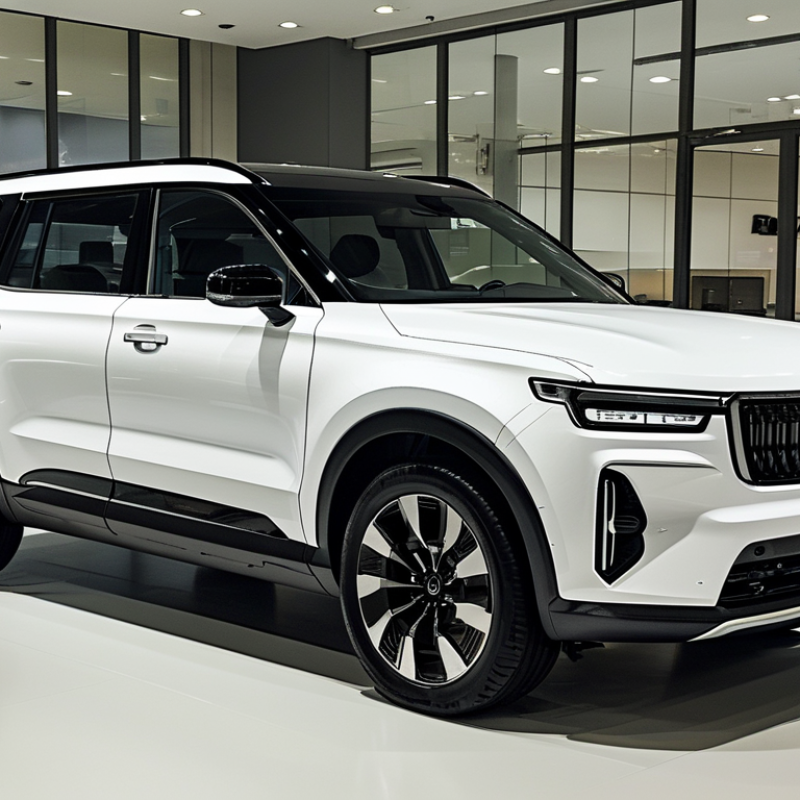
When evaluating a six-seat SUV, inspect real seating space rather than trusting brochure numbers. The EPA’s 2024 Automotive Trends Report places the average new-vehicle footprint near 49 square feet. Exterior size still cannot guarantee useful cabin room. Measure second-row legroom, third-row knee clearance, and headroom with adults seated naturally. Then check whether six passengers can enter without twisting around the front seats.
Seven practical checks help. Test one: fit three child seats across the usable rows. NHTSA reports that correct restraints reduce fatal injury risk by 71% for infants and 54% for toddlers. Test two: examine anchor locations and door opening angles. Test three: sit in the rearmost seats for ten minutes. Too short. Test four: carry a stroller, school bags, and groceries together. Test five: fold only part of the third row. Test six: check cupholders, vents, USB ports, and storage pockets. Test seven: measure the lift-over height for heavier luggage.
SAE J1100 provides standardized vehicle-volume measurements, but published volume remains theoretical. A family may lose space to booster seats, winter coats, or a week’s groceries. I would bring an actual stroller and two bags during the dealership visit. That small experiment often exposes awkward gaps. One honest concern remains: six adults may fit, yet six adults with luggage may not. Seating flexibility matters more than a maximum passenger figure.
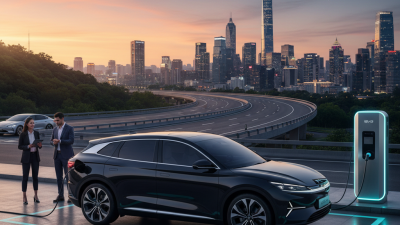
Choosing a six-seat SUV requires more than checking horsepower figures. Study how its powertrain responds in traffic, on steep roads, and with every seat occupied. A smooth hybrid system should deliver quiet acceleration without sudden engine surges. During a test drive, listen for vibration when the petrol engine starts. That detail is easy to miss.
Tip 1: Test acceleration with six passengers or equivalent luggage.
Tip 2: Check whether power arrives smoothly at low speed.
Tip 3: Ask how often the engine supports battery charging.
Tip 4: Compare towing ability, if your lifestyle requires it.
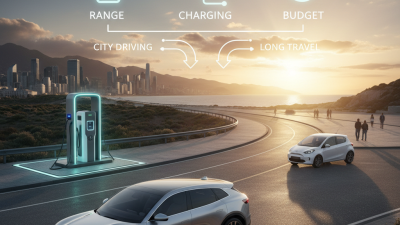
Range claims need careful reading. Laboratory figures rarely match winter driving, highway speeds, heavy air-conditioning, or roof equipment. Request separate electric-only and combined-range figures. Also inspect charging speed, battery warranty, and the location of the charging port. A long range is useful only when charging remains convenient.
Tip 5: Leave a practical reserve for unexpected detours.
Tip 6: Compare highway range, not only official range.
Tip 7: Confirm charging access near home and regular destinations.
Driving performance should feel predictable, especially with a high roof and three seating rows. Evaluate steering weight, braking confidence, suspension control, and visibility during lane changes. Some large SUVs feel stable but cumbersome in narrow car parks. That matters daily. I would also repeat the route after the vehicle warms up, because initial impressions can be misleading. The figures may impress, yet comfort, control, and usable range decide whether the SUV fits real family travel.
7 Tips for Buying a Six-Seat SUV: Safety, Smart Technology, and Comfort Equipment
Safety should lead your inspection, not glossy styling. The Insurance Institute for Highway Safety reports that blind-spot monitoring reduces lane-change crashes by about 14%. Rear automatic braking can reduce backing crashes by 78%, according to its research. Check whether these systems work in rain, darkness, and crowded parking spaces. During a test drive, watch for clear warnings and gentle braking. I would not trust a dashboard icon alone.
Smart technology must reduce workload, not create another distraction. Look for adaptive cruise control, lane-centering assistance, a 360-degree camera, and simple voice controls. The J.D. Power 2024 U.S. Tech Experience Study found that advanced technology can improve satisfaction, but complicated interfaces still frustrate drivers. Test the screen with cold hands. Try pairing two phones. Some functions may feel clever but become irritating after a week.
Comfort equipment deserves practical testing. Sit in every row for ten minutes. Measure knee space, seat height, and third-row entry. Check whether adults can reach charging ports without stretching. A quiet cabin matters on long journeys, yet showroom silence can hide rough-road noise. Drive over broken pavement. Fold the rear seats and inspect the remaining cargo floor. My first assessment might be wrong if the suspension feels smooth only on polished dealership roads. Also examine ventilation for the third row and whether child-seat anchors remain accessible.
Use this seven-point checklist when evaluating a six-seat SUV: three checks focus on safety, two on smart technology, and two on comfort. Confirm each feature through official specifications, a vehicle inspection, and a test drive before purchasing.
Tip 1: Calculate ownership costs beyond the purchase price. Include insurance, registration, tires, electricity, scheduled servicing, and possible battery-related expenses. Ask for a realistic five-year estimate, not a promotional average. I would also check tire prices locally, because large SUV tires can cost more than expected.
Tip 2: Confirm charging access before choosing this six-seat electric SUV. Measure your parking space and check whether a home charger can be installed safely. If home charging is unavailable, map public chargers near your workplace and usual travel routes. A charger may appear nearby, yet remain busy during evening hours. That detail matters.
Tip 3: Read the warranty line by line. Check coverage periods, mileage limits, battery capacity guarantees, and exclusions for charging equipment. Ask whether roadside assistance covers a depleted battery. Service support deserves equal attention. Identify authorized repair locations, average booking times, mobile support options, and parts availability. Speak with current owners if possible; their repair experiences may reveal delays that brochures never mention.
Keep written records of every answer. Sales explanations can change between staff members. I once underestimated the inconvenience of a distant service center, and that mistake affected routine maintenance planning. Also, test the third-row access with real passengers, not just an empty showroom. Six seats are useful only when adults can enter comfortably and luggage still fits. Pay attention to charging speed during cold weather, too, because advertised figures may not match daily conditions.
| Tip | Buying Dimension | What to Check | Useful Evidence or Calculation | Recommended Action |
|---|---|---|---|---|
| 1 | Total Ownership Cost | Look beyond the purchase price and include insurance, registration, financing, energy, tyres, servicing, parking, and depreciation. | Estimated annual cost = finance payments + energy or fuel + insurance + maintenance + taxes and fees. | Request a five-year ownership estimate before signing the contract. |
| 2 | Charging Access | Confirm whether home charging is practical, whether the property supports a suitable electrical connection, and how close reliable public chargers are. | A home charger is generally more convenient for overnight charging; public charging time and pricing vary by location and network. | Check charger availability along daily routes and confirm installation requirements with a qualified electrician. |
| 3 | Real-World Energy Use | Compare official efficiency figures with expected use in traffic, cold weather, highway driving, heavy loads, and frequent air-conditioning use. | Estimated driving cost = energy used per 100 km × local electricity price ÷ 100 × annual kilometres. | Use a conservative range estimate rather than relying only on the laboratory test result. |
| 4 | Warranty Coverage | Read the coverage period, mileage limits, exclusions, battery warranty, capacity-retention terms, roadside assistance, and transfer conditions. | Important questions include: What is covered, where can repairs be completed, and what maintenance records are required? | Obtain the complete warranty booklet in writing before purchase. |
| 5 | Service Support | Verify the number and location of authorised workshops, technician training, diagnostic equipment, parts availability, and average repair waiting times. | Ask for the scheduled maintenance intervals and the estimated price of routine service items. | Call the nearest service centre and confirm support for your exact vehicle configuration. |
| 6 | Six-Seat Practicality | Check adult comfort in every row, access to the third row, child-seat compatibility, luggage space with all seats occupied, and charging ports. | Bring the intended child seats, measure the parking space, and test entry and exit for all regular passengers. | Complete a family test drive instead of evaluating only the front seats. |
| 7 | Resale and Risk Review | Consider depreciation, battery-health reporting, software support, insurance restrictions, accident history, and the availability of replacement parts. | Compare independent market listings and request a battery-health report for a used vehicle. | Keep purchase documents, service records, charging records, and warranty confirmations for future resale. |
A six-seat SUV can look perfect on paper, yet daily comfort depends on small details. Arrange a test drive during normal traffic, not only on an empty road. The 2024 U.S. Initial Quality Study recorded 192 problems per 100 vehicles during the first 90 days. Test the touchscreen, cameras, climate controls, and electric doors repeatedly. One quick lap is not enough.
Bring the people who will use the third row. Ask an adult to sit behind the second row, then check knee room, headroom, and entry height. Fold every seat and measure the remaining cargo space with a stroller or two suitcases. The 2024 Global EV Outlook reported nearly 14 million electric car sales worldwide in 2023, showing strong demand for larger electric vehicles. Still, driving range can fall sharply with passengers, cold weather, or highway speed. Check the displayed range after the drive, not only the brochure figure.
Confirm the exact configuration before paying a deposit. Verify seat materials, charging equipment, safety functions, towing limits, and software features in writing. A sales explanation may be incomplete. I would also test the turning circle and braking feel, because a heavy SUV can feel different after six people enter. Small details matter. If the third-row seat feels cramped, admit it. Choosing the cheaper configuration may become an expensive compromise later.