How to Buy a Reliable Secondhand Car at the Best Price?
Buying a reliable Secondhand Car is less about finding the lowest sticker price. It is about discovering what that price hides. A polished body can conceal worn suspension, neglected fluids, or accident repairs. The safest purchase begins with evidence, patience, and a willingness to walk away.
Brian Moody, executive editor at Kelley Blue Book, has offered this practical warning: “A vehicle history report is a valuable tool, but it is not a substitute for an inspection.” That distinction matters. Check the vehicle identification number against its history report. Then compare the mileage with service invoices, inspection records, and dashboard wear. If the steering wheel looks heavily polished, but the odometer shows unusually low mileage, pause.
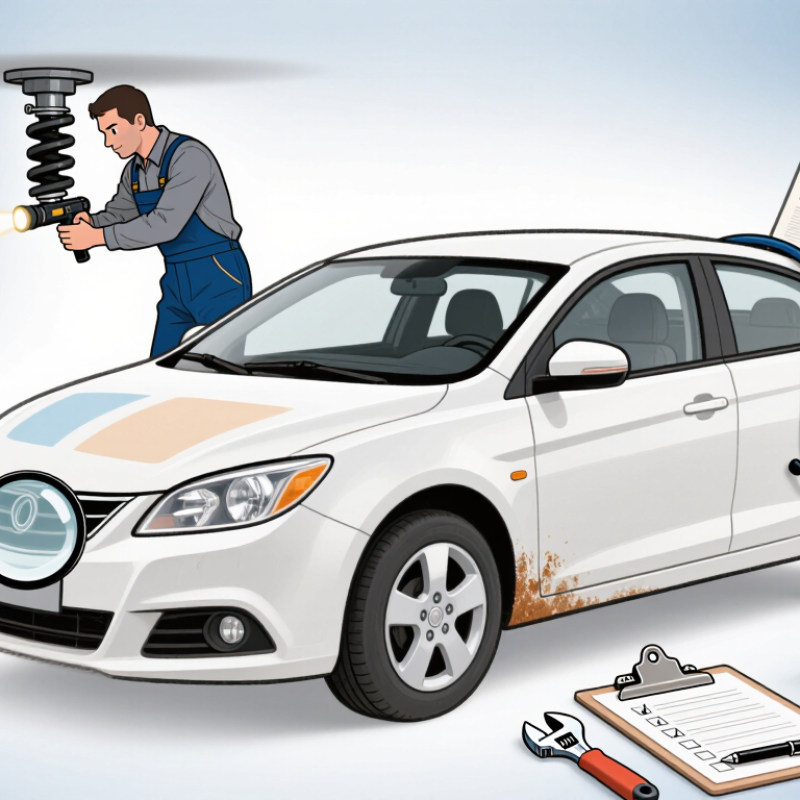
See the car in daylight. Touch the tire tread. Look for uneven wear, mismatched paint, damp carpets, and rust beneath the doors. Ask for a cold start, not an engine already warmed before arrival. Listen for tapping, grinding, or rough idling. A trusted independent mechanic should inspect the brakes, leaks, frame, suspension, and diagnostic codes.
The advertised price is only one part of the deal. Add registration, insurance, immediate repairs, fuel use, and financing costs. A cheap car needing tires and a timing belt may become expensive within weeks. I have learned that excitement can weaken judgment. Mine can, too.
Walk away when answers feel vague. There will be another car. The strongest buyer is not the fastest buyer, but the one who verifies every important detail.
Define Your Budget, Needs, and Essential Car Requirements
A reliable secondhand car search begins with a realistic budget, not a tempting monthly payment. Include the purchase price, registration, insurance, fuel, maintenance, and unexpected repairs. Keep an emergency reserve after buying the car. I once spent nearly my entire budget on a clean-looking vehicle and postponed necessary brake work. That was a costly mistake. Leave room for surprises.
Write down how you will use the car each week. A short urban commute needs different features from frequent highway travel or family trips. Consider passenger space, luggage capacity, fuel economy, driving position, and safety equipment. Separate essential requirements from attractive extras. Essential items might include working airbags, reliable lights, strong brakes, and clear ownership documents. Extras can wait. Keep the list short.
Use your requirements to reject unsuitable cars before inspecting them. Check service records, mileage consistency, tire condition, warning lights, and signs of water damage. A test drive should include cold starting, slow traffic, braking, turning, and highway speeds when practical. Pay attention to vibrations, unusual smells, and delayed gear changes. Do not rely only on a seller’s description. An independent mechanic can identify problems that photographs hide. Ask for a written inspection report, though even professionals can miss hidden faults. Recheck your budget after receiving the repair estimate. A slightly older car with documented care may be safer than a newer car with unclear history. That judgment takes patience.
How to Buy a Reliable Secondhand Car at the Best Price
Example all-in budget for a used car with a total spending limit of $20,000. Keep money aside for taxes, an independent inspection, and repairs instead of spending the entire budget on the vehicle price.
Practical rule: Compare cars using the all-in cost, verify the vehicle history and maintenance records, arrange an independent inspection, and keep an emergency repair reserve after purchase.
Research Reliable Models and Compare Current Market Prices
A reliable secondhand car starts with evidence, not a polished advertisement. I check repair records, inspection results, and owner complaints before discussing price. I also compare several model years. Reliability can change after a redesign, even when the badge looks familiar.
J.D. Power’s 2024 U.S. Vehicle Dependability Study recorded 190 problems per 100 vehicles after three years of ownership. That figure shows why model-level research matters. I compare common faults, maintenance costs, and recall history for each candidate. The Manheim Used Vehicle Value Index, published by Cox Automotive, tracks wholesale price movement across the market. Its monthly changes help reveal whether local asking prices are realistic. I would not treat one index as a final answer. Regional supply and vehicle condition still matter.
For price checks, I record at least ten comparable listings within a practical distance. I match mileage, age, drivetrain, accident history, and service documentation. Then I adjust the target price for worn tires, cracked glass, or overdue maintenance. A low price can hide a large repair bill. I once focused too heavily on a clean interior and missed uneven brake wear during a rushed inspection. That mistake changed my process. A qualified mechanic should inspect the car before payment, even when the seller provides a recent report. Be willing to walk away. Reliability is not guaranteed by a popular model or a low odometer reading.
How to Buy a Reliable Secondhand Car at the Best Price? - Research Reliable Models and Compare Current Market Prices
| Vehicle Category |
Recommended Used-Car Age |
Target Mileage |
Indicative U.S. Retail Price Range |
Typical Fuel Economy |
Expected Annual Maintenance Budget |
Reliability Screening Score |
Best Buying Advantage |
Main Inspection Risk |
| Compact Sedan |
3–6 years |
30,000–75,000 miles |
$14,000–$23,000 |
30–40 mpg combined |
$700–$1,000 |
9.0/10 |
Low purchase price, efficient operation, and generally affordable replacement parts. |
Previous accident repairs, transmission hesitation, and neglected fluid changes. |
| Midsize Sedan |
3–7 years |
35,000–85,000 miles |
$16,000–$27,000 |
27–36 mpg combined |
$800–$1,200 |
8.5/10 |
Strong balance of passenger space, comfort, fuel economy, and resale demand. |
Suspension wear, cooling-system leaks, and uneven tire wear caused by poor alignment. |
| Hybrid Hatchback |
3–6 years |
30,000–80,000 miles |
$17,000–$28,000 |
42–55 mpg combined |
$800–$1,400 |
8.5/10 |
Excellent fuel savings and strong urban usability when the battery system is healthy. |
High-voltage battery condition, cooling fans, brake-system wear, and hybrid-system warning lights. |
| Compact SUV |
3–6 years |
30,000–75,000 miles |
$19,000–$31,000 |
25–35 mpg combined |
$900–$1,400 |
8.0/10 |
Practical cargo capacity, higher seating position, and broad secondhand-market demand. |
All-wheel-drive components, turbocharger maintenance, electronic systems, and suspension damage. |
| Midsize SUV |
4–7 years |
40,000–90,000 miles |
$23,000–$38,000 |
22–31 mpg combined |
$1,000–$1,700 |
7.5/10 |
More seating and cargo space than a compact SUV while remaining easier to operate than a full-size vehicle. |
Automatic transmission service history, four-wheel-drive wear, cooling systems, and expensive tires. |
| Minivan |
4–8 years |
45,000–105,000 miles |
$20,000–$36,000 |
20–28 mpg combined |
$1,000–$1,800 |
7.5/10 |
High passenger capacity, flexible seating, and strong value for family transportation. |
Power sliding doors, rear air-conditioning, transmission behavior, and interior water leaks. |
| Midsize Pickup |
4–8 years |
45,000–100,000 miles |
$22,000–$39,000 |
19–27 mpg combined |
$1,200–$2,200 |
7.0/10 |
Useful cargo capability, durable construction, and good demand in many regional markets. |
Towing-related wear, frame corrosion, drivetrain vibration, suspension damage, and mismatched tires. |
| Full-Size SUV |
5–9 years |
55,000–115,000 miles |
$25,000–$45,000 |
16–24 mpg combined |
$1,500–$2,800 |
6.5/10 |
Large towing capacity and generous passenger space at a lower price than a newer vehicle. |
Higher fuel costs, air suspension, drivetrain repairs, brake wear, and accident or fleet use. |
Inspect the Vehicle’s History, Condition, and Ownership Records
Buying a reliable secondhand car begins with its history, not its polished paint. Ask for the vehicle identification number and compare it across the registration, inspection, and service documents. Look for consistent mileage, regular maintenance, accident reports, and recorded ownership changes. Missing records do not prove a serious problem, but they should make you more cautious.
I once trusted a clean interior too quickly. That was a mistake. Check the body in daylight for uneven paint, panel gaps, rust, and repaired dents. Open the hood and look for fluid leaks, damaged wiring, or fresh cleaning around the engine. Start the car when it is cold, because warm engines can hide difficult starting problems. During a test drive, notice braking, steering, gear changes, suspension noise, and warning lights. A cold start tells you more.
Arrange an independent inspection before paying a deposit. A qualified mechanic can examine the underside, tires, brakes, suspension, and diagnostic system. Do not rely only on the seller’s inspection report. Review ownership records carefully, including the seller’s legal right to transfer the vehicle and any outstanding finance information. Ask why the car is being sold, then compare the answer with its documents. Some sellers may not know the full history. That uncertainty should affect your offer, not your judgment. Keep every promise in writing, even when the seller appears trustworthy.
Arrange a Professional Inspection and Complete a Careful Test Drive
A reliable secondhand car needs more than a polished exterior.
Arrange an independent inspection before paying a deposit. The technician should check the chassis, underbody, brake lines, suspension joints, fluid leaks, tire wear, and diagnostic fault codes. Ask for written photos and repair estimates. A clean cabin proves little.
Check the vehicle identification number against official recall records. The U.S. National Highway Traffic Safety Administration reported more than 25 million vehicles involved in safety recalls during 2023. Unresolved recall work can change a fair price quickly. The American Automobile Association’s 2024 Your Driving Costs report estimated maintenance, repair, and tire expenses at 9.83 cents per mile for a new vehicle. Older cars may demand more. I would keep a repair reserve, even after a favorable inspection.
Test-drive the car when the engine is cold. Listen for rattles during startup. Test the brakes on a quiet, legal road. The pedal should feel firm, without vibration or pulling. Drive over uneven pavement and notice knocks, wandering, or delayed gear changes. Test the air conditioning, lights, windows, warning lamps, and parking sensors. Repeat the drive in slow traffic and at highway speed. I once trusted a short, quiet drive too quickly; that was a mistake. A seller who refuses an independent inspection is also useful information.